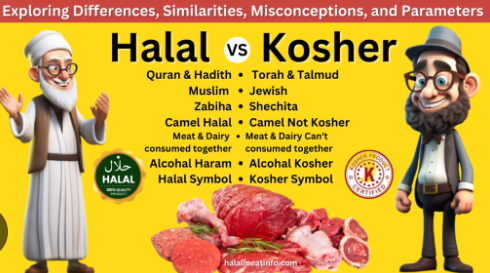
Kosher Rules Unraveled: A Journey Through Jewish Dietary Laws
Introduction:
Kosher rules, also known as Kashrut, form an essential aspect of Jewish dietary practices. These rules have been followed for centuries, and they serve as a symbol of identity, tradition, and spirituality for Jewish communities around the world. The observance of kosher laws involves strict guidelines governing what foods are permitted and forbidden, as well as how these foods must be prepared, processed, and consumed. In this comprehensive exploration, we will delve into the intricacies of kosher rules, their historical significance, and their relevance in contemporary society.
Section 1: Understanding Kosher Rules
1.1 The Origin of Kosher Rules Kosher rules find their origins in the Torah, the central religious text of Judaism. Leviticus and Deuteronomy outline the specific laws pertaining to kosher dietary practices. These laws were intended to promote spiritual purity, ethical treatment of animals, and the maintenance of Jewish cultural identity.
1.2 Permitted and Forbidden Foods Kosher laws categorize foods into three groups: kosher, non-kosher (treif), and pareve (neutral). Kosher foods include animals that chew their cud and have split hooves, certain fish with scales and fins, and specific birds. Additionally, fruits, vegetables, and grains are considered kosher. On the other hand, non-kosher foods include pig, shellfish, and various birds of prey, among others.
1.3 Preparation and Processing The process of making food kosher involves careful slaughter (shechita) and thorough inspection to ensure that the animal is free of any diseases or defects. Utensils and cookware must also be koshered (made kosher) before preparing kosher meals. Moreover, the separation of milk and meat is strictly observed, leading to separate sets of dishes for dairy and meat-based meals.
Section 2: The Significance Of Kosher Rules
2.1 Cultural and Religious Identity Kosher dietary practices serve as a powerful symbol of Jewish identity and unity. By adhering to these rules, Jewish individuals and communities affirm their commitment to their faith, history, and shared heritage. The observance of kosher laws during holidays and daily life strengthens the bond among family members and the wider Jewish community.
2.2 Ethical Considerations Kosher rules place a strong emphasis on ethical treatment of animals. The shechita process mandates that animals be slaughtered in a humane and compassionate manner, minimizing suffering. Moreover, the prohibition of mixing milk and meat highlights the importance of respecting life and the boundaries of nature.
2.3 Spiritual and Psychological Benefits The practice of keeping kosher can be spiritually uplifting for many Jewish individuals. The mindfulness required in selecting, preparing, and consuming kosher foods fosters a deeper sense of connection to the divine and fosters a stronger sense of discipline and self-control.
Conclusion:
In conclusion, kosher rules constitute a fundamental pillar of Jewish tradition, encompassing dietary, ethical, and spiritual dimensions. These laws, rooted in ancient religious texts, continue to be a central aspect of Jewish identity and cultural heritage. The observance of kosher rules not only reflects a commitment to faith but also demonstrates a profound respect for animals, nature, and the interconnectedness of all life.
FAQs:
Q1: Can non-Jews follow kosher rules? A1: While kosher rules have religious significance for Jews, non-Jews may choose to observe kosher dietary practices for various reasons. Some individuals adopt kosher diets for health, ethical, or cultural reasons, while others do so out of respect for Jewish customs when dining with Jewish friends or family members.
Q2: Are all Jewish individuals required to keep kosher? A2: Observance of kosher rules varies among Jewish individuals and communities. While some strictly adhere to kosher laws, others may follow them to varying degrees or not at all. Jewish dietary practices are influenced by personal beliefs, religious affiliation, and cultural background. The level of observance can also differ between traditional and more liberal Jewish denominations.